Demo Positioning by Buyer Persona in B2B SaaS
Tailor your demo to each stakeholder's fear, not to a shared feature list.
The single biggest mistake in B2B demo strategy is building one polished demo and hoping it stretches to fit everyone who touches the deal. A demo tailored to the champion, and only the champion, leaves the economic buyer with no business case and the technical evaluator with no answer on security. Skip that question and no amount of polish saves the deal: who's actually in the room, and what does each of them need to see?
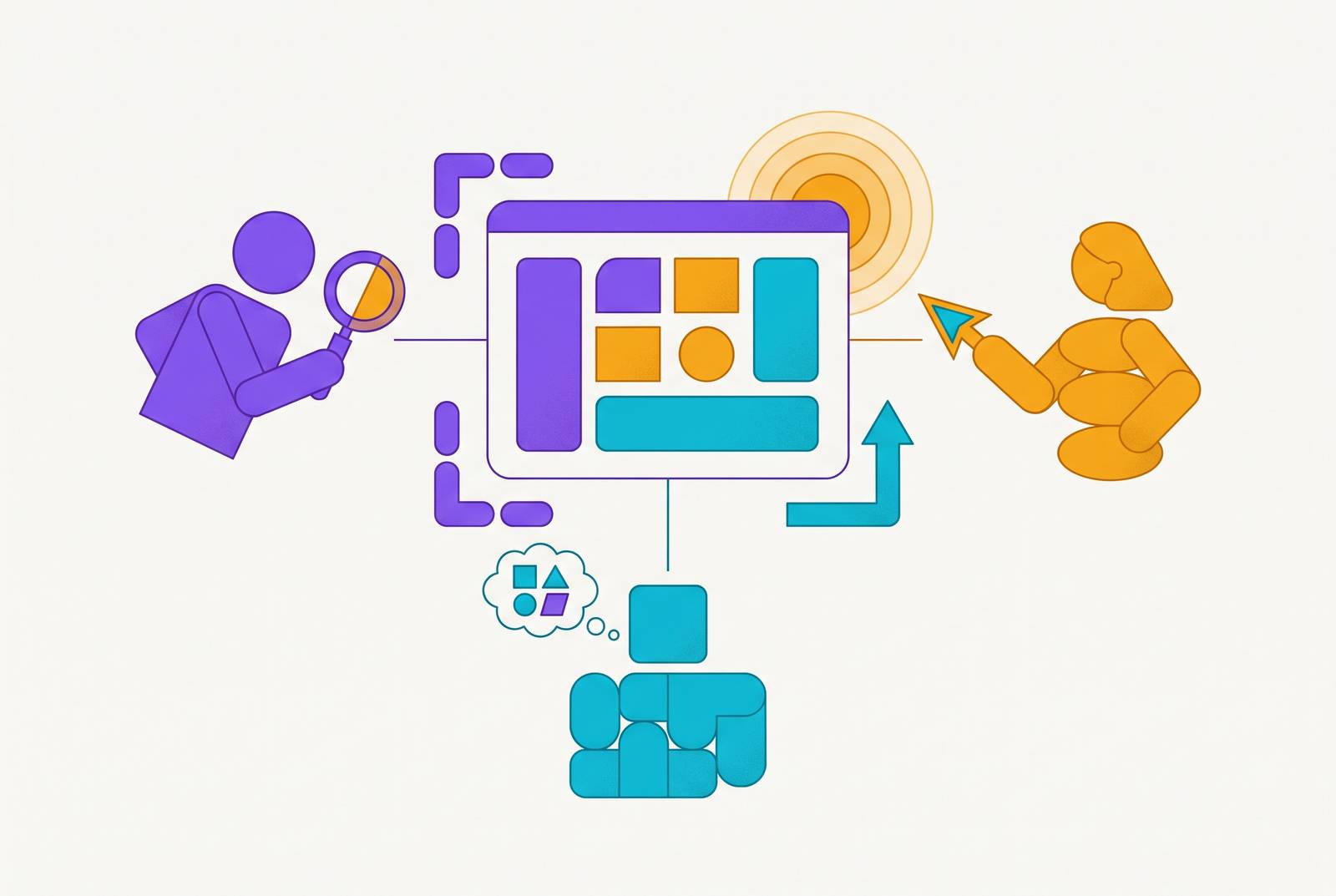
Each stakeholder in a B2B buying group needs a different demo, built around what they are afraid of losing rather than a shared feature list. The economic buyer needs a business-case conversation framed in metrics they already track, such as retention, revenue, and headcount efficiency, with a short leave-behind and no UI walkthroughs. The technical evaluator needs integration compatibility shown inside their actual stack, security documentation surfaced early, and access to specs or a sandbox alongside any video. The functional end-user needs a before-and-after of a task they do repeatedly, limited to the three to five features that hit their most common friction points, opened with the name of their actual job task in the first 15 seconds. One script cannot serve all three, no matter how well it is written.
The average B2B buying group runs 11 people, and buyers spend only 17% of their purchase journey in direct contact with sellers. Split a deal across multiple vendors, and one rep's slice of that 17% shrinks further still. Most teams get the response to this backwards. They build for the champion because the champion is who shows up on the call, then wonder why the deal stalls with someone they never met. Positioning has to change by persona, not by feature list, full stop.
Which stakeholder types in a B2B deal need different demo positioning?
Three is the number that keeps showing up across B2B SaaS demo campaigns, and three is where the line should get drawn. Add a fourth or fifth persona and the positioning gets muddy fast; reps start trying to cover everyone and land with no one. Teams serving five stakeholders end up serving none of them well, which is worse than serving three well and accepting the gap.
The three that matter:
- Functional end-user (P1): uses the product every day, cares about workflow friction and how fast they get competent with it.
- Economic buyer / executive sponsor: controls the budget, cares about strategic fit, return on investment, and whatever risk this purchase adds to the org.
- Technical evaluator / IT stakeholder: cares about security, integration depth, deployment complexity, and who's maintaining this thing a year from now.
Job title tells you where someone sits on the org chart, but that's only half the picture. What matters more is what each one is afraid of losing: the end-user notices daily friction, the economic buyer notices revenue or cost impact, the technical evaluator notices integration risk. Title plus motivation is what lets a rep build a demo that moves someone, instead of one that just plays well in the room. These three rarely sit on the same call asking the same question, which is exactly why one script can't serve all of them, no matter how well it's written.
What persona-specific positioning actually changed at one B2B SaaS company
A 250-employee B2B SaaS company, documented in a case study by The Starr Conspiracy, had a persona problem hiding in plain sight. Its buyer personas were outdated demographic sketches built once during a rebrand and ignored by every rep since. Campaigns didn't land, sales cycles dragged, and win rate sat at 23%, well under what the industry considers healthy.
The fix wasn't a rebrand or a messaging overhaul. The team rebuilt the personas from CRM data and structured interviews, and the new versions explained the pressure behind the pain instead of just labeling a job title. Sales cycles ran 34% faster within 90 days.
The test that actually separates a working persona from a dead one is blunt: does a rep open it before a demo call, or does it sit as a PDF buried in a shared drive from the last marketing offsite? Most personas fail that test, which is the real reason most persona work never shows up in the pipeline numbers.
How to position a demo for the functional end-user
The end-user's question is blunt: will this make the day easier or harder? Everything in the demo has to answer that, fast, or it's dead air.
Show the before and after of a task they do repeatedly. Pick the 3 to 5 features that hit their most common friction points and ignore the rest for this audience. Open strong, too: the first 15 seconds should name their actual job task, not the product category, since "Here's how you'll close out a support ticket in half the time" lands harder than "Here's our platform overview," every single time, no exceptions.
Feature tours that don't map to something the end-user recognizes are wasted air, and abstract capability language is worse. If they have to imagine how a feature applies to their job, the demo already lost them before it got to the good part.
What actually works as proof: testimonials from people with the same title, and time-saved numbers tied to a task they do daily, not a vague productivity claim. Showing the UI inside a realistic scenario beats a clean, context-free screen recording every time. This is also often the persona watching demo content asynchronously, through video walkthroughs and how-to clips, rather than sitting on a live call, and the pacing and production quality of that video carries real weight in how this persona judges the product.
How to position a demo for the economic buyer
The economic buyer asks something different: what does this cost, what does it return, and what happens if the company does nothing at all? This person rarely shows up for a feature demo. They show up for a business case conversation, so the job is to put the product in context, not to walk through the interface.
Lead with the business problem at scale, not one person's productivity win. Frame the value in metrics this buyer already tracks: retention, revenue, headcount efficiency, time-to-value. Tie the product to whatever strategic initiative is already on their plate, whether that's cutting cost, entering a new market, or getting ahead of a compliance deadline.
Evidence that lands here looks like quantified outcomes from companies of similar size or industry, retention lift, cost avoidance. A UI walkthrough or deep technical specs signal to this buyer that the demo wasn't built for them, and they'll tune out inside a minute.
Format matters as much as message. A one-page leave-behind, a two-minute summary video, a slide with the business case spelled out plainly: these beat a 20-minute product tour every time. Part of that is a real shift in how this persona wants to engage at all. A growing share of B2B buyers now prefer a seller-free experience, which means the economic buyer increasingly wants to reach conclusions alone, from content strong enough to stand on its own, rather than sit through a pitch.
How to position a demo for the technical evaluator
The technical evaluator's question is about risk: will this break something the org depends on, and who's on the hook when it does? Their concerns cluster tightly around security and compliance, integration depth, deployment model, admin controls, long-term maintainability.
Lead with integration compatibility. Show the product working inside the stack they're likely running: Salesforce, HubSpot, SSO or SAML, whatever LMS is already in place. Get ahead of the top two or three objections inside the demo itself, rather than waiting for a formal security review to surface them later, when they're more expensive to answer. Show the admin and governance side of the product, not just the end-user's daily flow.
Proof that resonates here looks different too: security documentation, uptime numbers, testimonials from other IT teams, compliance certifications surfaced early instead of buried three folders deep in a data room.
One mistake costs deals more than any other: sending the technical evaluator the same polished video built for the end-user. That polish reads to them as a signal something's being hidden underneath it. This persona often wants documentation, sandbox access, and written specs alongside video, sometimes instead of it. A combined approach, video plus docs, covers both ways this person actually evaluates a product, and skipping either half leaves a gap they'll fill with suspicion.
Building demo scripts that address multiple personas without losing focus
Here's the tension: each persona needs different content, but no team has infinite production capacity. Reinventing the demo three separate times drains resources fast; a modular build holds up far better over time, and it's not close.
A solid script architecture holds four things:
- A hook in the first 15 seconds that names the persona's world, not the product's category
- Social proof specific to that persona's role or industry, placed early instead of tacked on at the end
- 3 to 5 features or outcomes pulled from the persona's list, not the product's full master list
- Objection handling built into the flow itself, not held back for a Q&A that may never happen
The modular move is to build one core product narrative, then swap in persona-specific intros, outros, and evidence blocks, whether that's testimonials, metrics, or use-case scenarios, depending on who's watching.
Length matters more than most teams admit. Quick feature highlights should run 30 to 90 seconds, while a full persona-specific walkthrough runs 2 to 5 minutes. Comprehensive, onboarding-style demos can stretch to 5 or 10 minutes, but completion rates drop by half once a video passes the 6-minute mark. The executive-facing cut should almost always be the shortest one in the library, since the economic buyer has the least patience of the three.
A beautifully produced video built on a one-size-fits-all script still carries a one-size-fits-all message underneath the gloss. Positioning lives in the writing, before a single frame gets recorded.
Where AI video production fits into a persona-specific demo workflow
Persona-specific demos create a production problem almost immediately: more versions, more updates, more maintenance. Without the right tooling, most teams quietly retreat back to one generic demo, because keeping three or four current versions alive by hand just doesn't hold up over a full quarter.
Video carries real weight in this shift too. By 2025, 89% of businesses use video as a core part of their marketing strategy, according to Wistia, so the baseline expectation for demo content is video, not a slide deck or a PDF one-pager.
A few categories of AI tooling matter here. Platforms built to turn a screen recording into a polished product video, rewriting the script, generating a natural-sounding voiceover, producing matching documentation alongside it, let sales and customer education teams build persona-specific walkthroughs without a dedicated video team. Other tools work well for repurposing recorded sales calls or discovery sessions into shorter, persona-tagged clips that drop straight into a follow-up sequence.
The real unlock is video and documentation coming out of the same workflow together, so a technical evaluator watches the demo and lands straight on the integration spec, no second production pass needed. For teams putting out 20 to 50 videos a month, holding that consistency together by hand, in brand, in tone, in structure, just isn't realistic. Templated, AI-assisted workflows solve a scaling problem manual editing was never built to handle.
How to use self-serve demo content to reach the personas you never meet live
Here's the structural reality most sales teams work under: reps get live time with the champion, while the economic buyer and the technical evaluator may never join a call at all. That's not a gap to patch, it's the default condition, and the sooner a team designs for it, the fewer deals stall on someone they never spoke to.
Self-serve content is the primary channel for reaching those two personas now. A growing share of B2B buyers prefer a seller-free experience overall, and that trend is especially pronounced among younger buyers who increasingly populate buying committees. For a growing share of the people who'll actually decide, self-serve content is the main event, not a backup plan.
A few moves make this work in practice. Arm the internal champion with persona-specific leave-behinds, a two-minute executive summary video, a technical FAQ, so the deal keeps moving even when the rep isn't in the room. Build gated resource hubs organized by role instead of by feature, so a technical evaluator landing on the page finds security documentation and integration demos, not a generic tour. Set up follow-up sequences that deliver content based on the stakeholder's role, not just their stage in the funnel.
There's a real waste problem underneath all this. Research consistently shows that a large share of marketing content goes unused by sales, largely because reps can't find the right asset fast enough to send it. Persona-tagged, role-specific content is far easier to grab and send than digging through a general library hoping something fits.
Async video paired with documentation lets the technical evaluator self-qualify on their own schedule, which cuts down on the late-stage security objections that stall deals right before signature. Worth planning for, too: buying committees that span multiple countries, and most do at any real scale. Persona content that exists only in English quietly turns some stakeholders into second-class participants in the decision.
Measuring whether persona-specific demo positioning is actually working
Demo completion rate is the metric everyone wants to chase, and it's the wrong one to chase alone. A technical evaluator who watches 40% of a demo and then asks for sandbox access is a far stronger signal than an end-user who watches the whole thing and goes quiet afterward. Chase completion rate as the headline number and the whole program looks healthy right up until it doesn't close.
Each persona throws off its own signals worth tracking. For the end-user: completion rate, repeat views, feature adoption once a trial starts. For the economic buyer: time-to-second-meeting, whether a business case or procurement conversation follows, deal size relative to the pipeline average. For the technical evaluator: documentation downloads, sandbox activation, and whether a security review gets initiated, which is a good sign here, not a stall tactic.
At the pipeline level, a few indicators show the persona work is paying off: sales cycle compression in the 34% range, matching the Starr Conspiracy case above, a win rate climbing against a known baseline, and fewer late-stage deals that just go dark. That 23% win rate from the earlier case reflected a persona legibility failure as much as a messaging one, and win/loss analysis broken out by deal type usually shows exactly which persona got shortchanged.
Persona positioning isn't a project with an end date. Buying committee makeup shifts, objection patterns evolve, competitors change their pitch, and demo content has to move with all of it. Teams running modular, AI-assisted production can update one persona's segment without reshooting the whole library. That's exactly why the production setup and the measurement cadence need to get designed together from the start, not bolted on after the fact.